Preventive Maintenance Checklist for Vehicles Fleets in Saudi Arabia
Want fewer breakdowns? Keep your Saudi fleet running smoothly
Fleet Maintenance
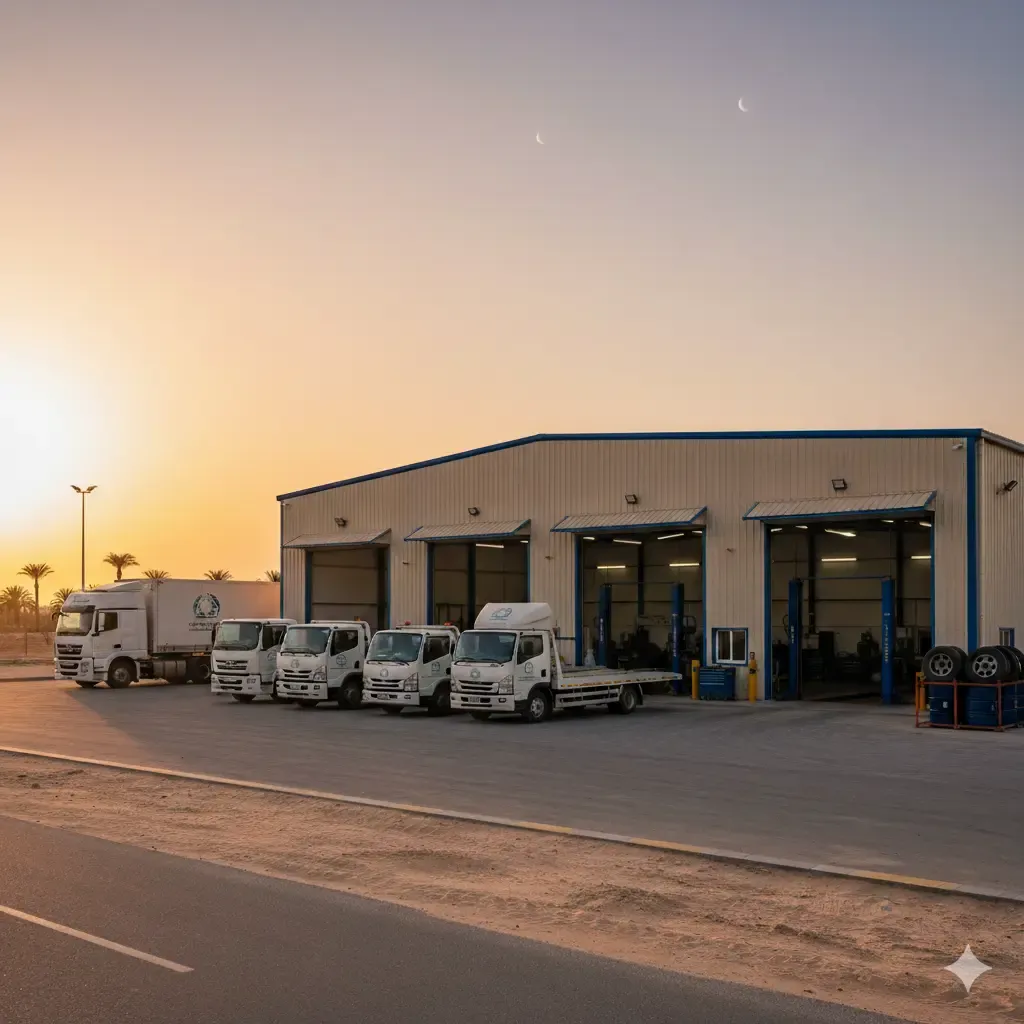
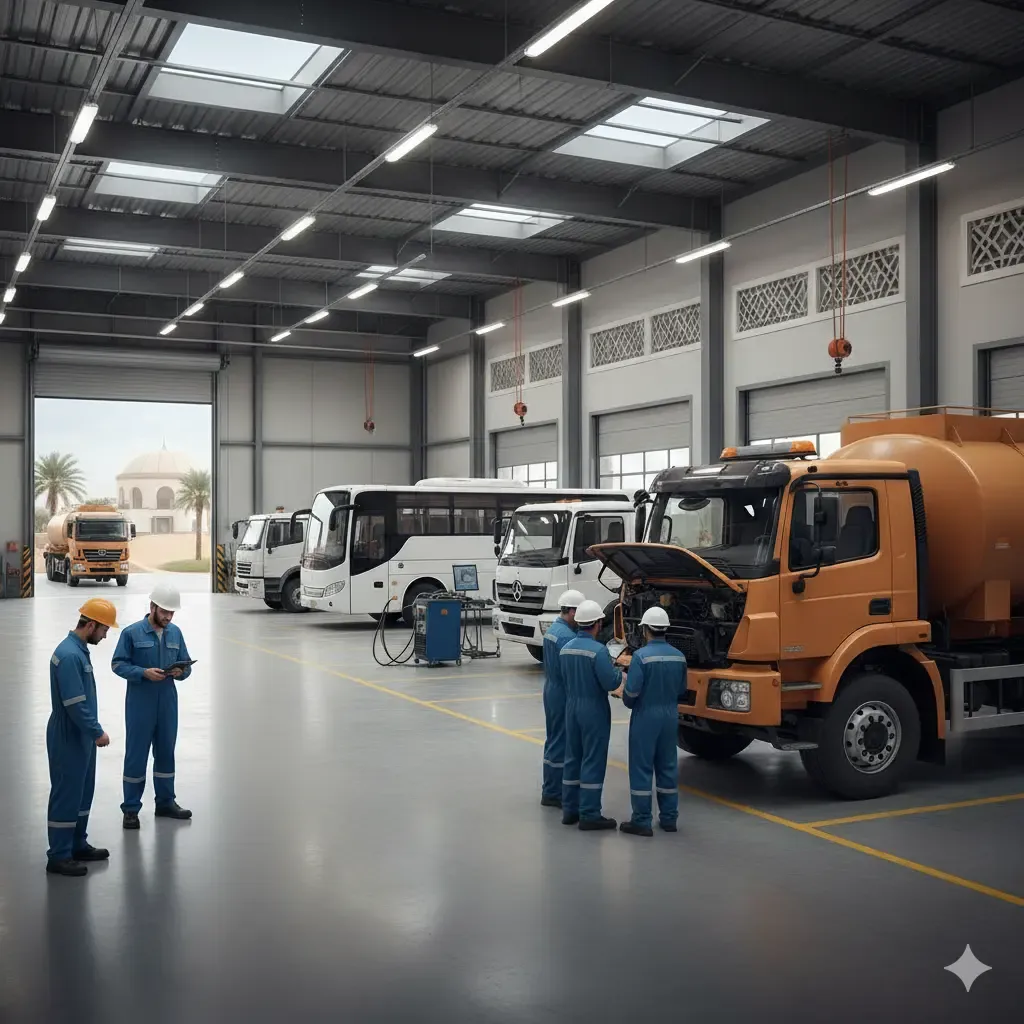
Running a fleet in Saudi Arabia means you're dealing with summer temperatures that push past 50° C. A preventive maintenance checklist for vehicles is the foundation of any high-performing fleet operation. If you want consistent uptime, controlled costs, and reliable performance, you need more than routine servicing; you need a structured system that works every single time.
This article walks you through what a checklist really means, why it matters in the Saudi market, and how you can turn it into a powerful, results-driven process with the right tools and strategy.
Why Do PM Checklists Matter More in Saudi Arabia?
You might experience unexpected challenges while operating a fleet in Saudi Arabia. Here is how PM checklists can protect you from such challenges:
Extreme Climate Conditions
One of the most prominent challenges fleet managers face in Saudi Arabia is the extreme heat. Indeed, summer temperatures regularly range between 45°C and 50°C, and in some regions, they can climb even higher under direct sun exposure.
These conditions absolutely accelerate wear and tear, prone engines to overheating, fluctuate tire pressure within hours and may drop battery life up to 30% faster compared to moderate climates due to constant heat stress. Without a structured vehicle maintenance program, these issues will certainly turn into unexpected and costly failures.
Long Distances, Limited Service Points
Another challenge you may face, whether you manage logistics, delivery, or rental fleets, is the long distance between cities. For example, a single trip from Riyadh to Jeddah covers nearly 950 km with a travel time of almost 9-10 hours, while the road distance between Dammam and Jeddah can exceed 1,200 km.
This means higher mileage accumulation in shorter timeframes, faster component degradation, and a significantly increased risk of mid-route breakdowns, especially under extreme weather conditions.
This is exactly the crucial role of a preventive maintenance checklist for vehicles. It allows you to schedule inspections and servicing based on real usage patterns, ensure that critical components like tires, cooling systems, and batteries are checked before long trips.
The Vision 2030 Logistics
A documented car maintenance checklist plays a direct role in compliance. In Saudi Arabia, vehicles must meet specific safety and inspection standards. When every check, service, and repair is recorded, you have a clear, verifiable history of maintenance. This eliminates the risk of failing compliance checks, and protects you from penalties.
Basic parts to include in a Preventive Maintenance Checklist
To build an effective preventive maintenance checklist for vehicles, you need a comprehensive yet practical structure. Here’s what truly must be included:
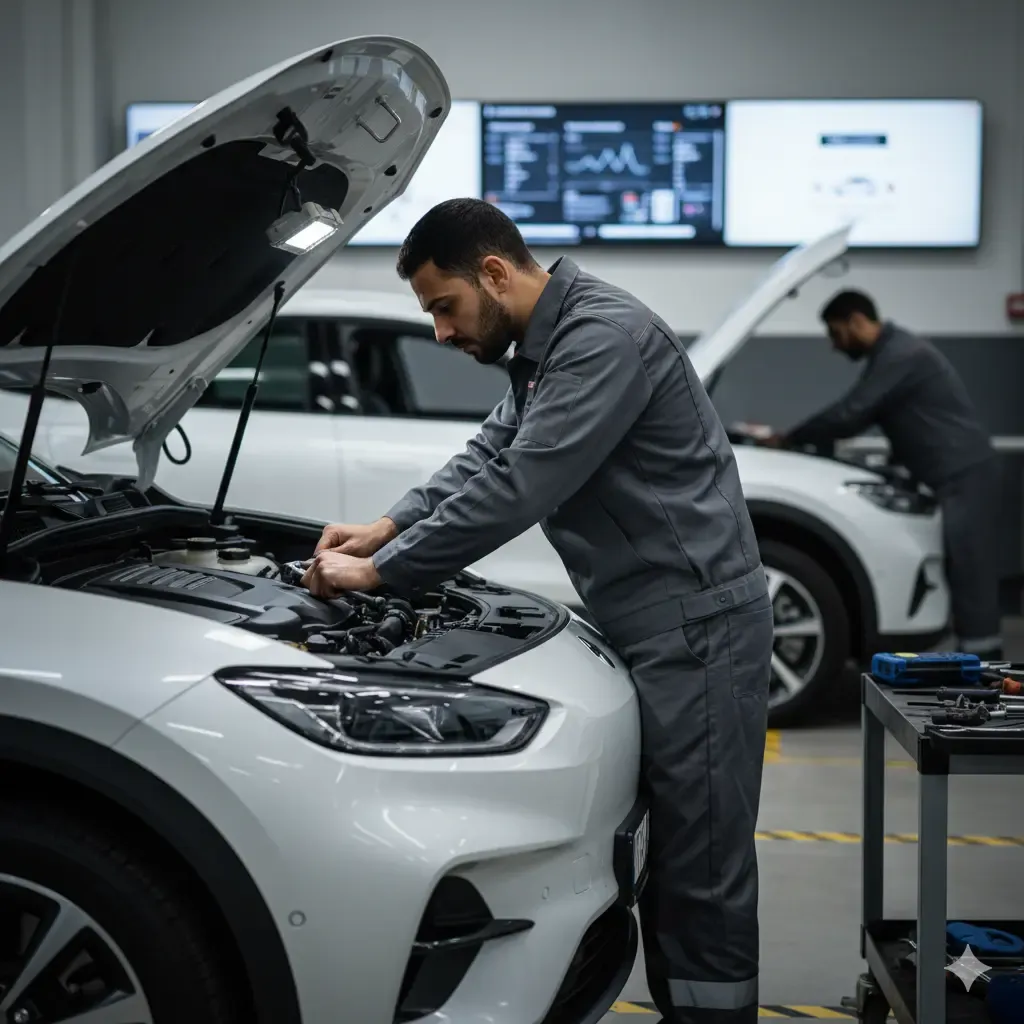
- Engine & Fluids: Your engine is the heart of your vehicle. You need to accurately check engine oil levels and quality, coolant levels, brake fluid, and transmission fluid. Unfortunately, neglecting those things will certainly result in expensive failures
- Tires & Wheels: Tires directly impact the safety and fuel efficiency of your fleet. Tire pressure checks, tread depth inspection, wheel alignment, and balancing are critical parts of any car maintenance checklist.
- Braking System: Safety is a priority in your vehicle and cannot be compromised. You have to inspect brake pads and discs, brake response, and fluid levels
- Electrical Systems: Undoubtedly, modern fleets rely heavily on electronics. This makes it essential to check battery condition, lights and signals, wiring, and sensors.
- Filters & Air Systems: In Saudi environments, dust is a major factor. You need to ensure that air filters are clean or replaced and cabin filters are functioning properly
- Belts & Hoses: You should inspect belts for cracks, fraying, or looseness, and examine hoses for leaks, swelling, or brittleness. A failed belt or hose can immediately disable the vehicle, leading to unexpected downtime and costly emergency repairs.
Fleet Preventive Maintenance Checklist for Vehicles
When managing multiple vehicles, your preventive maintenance checklist for vehicles must scale effectively.
If you are a fleet manager, technician, or CTO, here's a simplified table you can follow when creating your PM checklist:
Frequency | Why It Matters | What to Check |
Daily Checks (Driver Level) | Prevent immediate safety risks and detect visible issues before trips | - Visual inspection (leaks, damage) - Tire pressure & condition - Lights & indicators - Dashboard warning lights - Windshield & wipers |
Weekly Checks (Supervisor Level) | Monitor gradual wear and fluid stability in high-temperature conditions | - Engine oil level & quality - Coolant level - Brake fluid & performance - Battery terminals check for corrosion (especially in coastal cities like Jeddah where humidity accelerates corrosion) - Tire tread depth |
Monthly Checks (Workshop-Level) | Detect hidden mechanical issues before they escalate | - Engine diagnostics (OBD) - Air & cabin filters - Suspension system - Steering alignment - Exhaust system - Check AC system performance, in KSA, this isn't a luxury, it's safety equipment |
Quarterly / Scheduled Maintenance (Every 3 Months or 10,000 - 15,000 km) | Replace worn components and ensure long-term reliability | - Oil & filter replacement - Full brake system inspection - Transmission fluid - Full diagnostics scan - Belts, hoses, major components |
Pro tip for Saudi fleets:
During summer, check tire pressure before the vehicle has been driven. Heat expands air inside tires, and a tire that appears properly inflated in the afternoon may be dangerously underinflated in the morning.
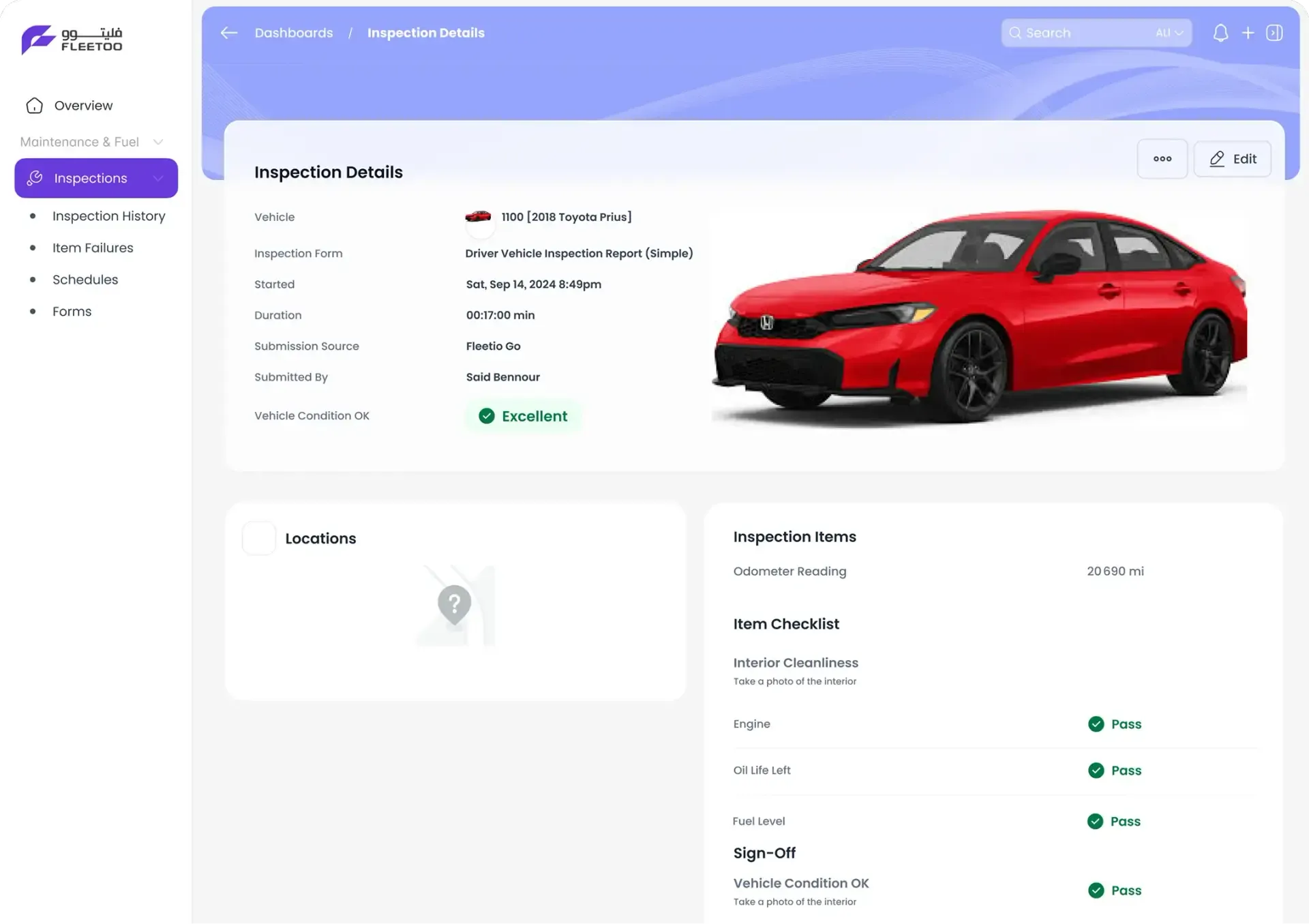
Drivers should log their daily inspection results. In Fleetoo inspections you can create this checklist and save it as a template for later inspections and keep all past records for monthly audits.
How to Make Your Preventive Maintenance Checklist Work in Practice
Creating a checklist is easy. Making it work consistently? That’s where most operators fail.
Here’s how you make it absolutely effective:
- Standardize the Process: Every driver, technician, and manager should follow the same checklist. Consistency builds reliability.
- Assign Responsibility: Accountability is key. Who performs the check? Who verifies it? Who takes action? Without clear ownership, even the best car maintenance checklist will fail.
- Use Real-Time Data: Manual tracking is outdated. You need mileage tracking, engine hours monitoring, and AI or automated alerts to transform your checklist into a living system.
- Track and Analyze Performance: Data is your biggest advantage. A strong vehicle maintenance program allows you to identify recurring issues, optimize maintenance schedules, and eliminate unnecessary costs.
- Integrate Maintenance with Operations: Maintenance should not be isolated. It must be connected with fleet tracking, driver behavior, and fuel management. This is where true maturity in fleet maintenance management occurs.
make your checklist works with our guide on 7 Fleet Maintenance Management System Best Practices
How Does Fleetoo Automate Preventive Maintenance for You?
This is exactly where Fleetoo changes the game. Managing your preventive maintenance checklist for vehicles with Fleetoo turns it into a fully automated, intelligent system.
Smart Preventive Scheduling
Fleetoo automatically schedules maintenance based on mileage, engine hours, and custom intervals.
Full Maintenance History
Every action is recorded. You obtain complete service history, searchable records, and exportable reports. This strengthens your car maintenance checklist with real accountability.
Book a Free Demo and automate your preventive maintenance.
Fleetoo
Fleetoo Team
Fleetoo empowers fleet operators in Saudi Arabia to streamline operational management with AI-generated detailed reports on vehicle performance, going beyond GPS tracking and driver monitoring.