The Best Place to Put a Tracker on a Truck
And why getting It wrong costs you more than you think
Fleet Tracking
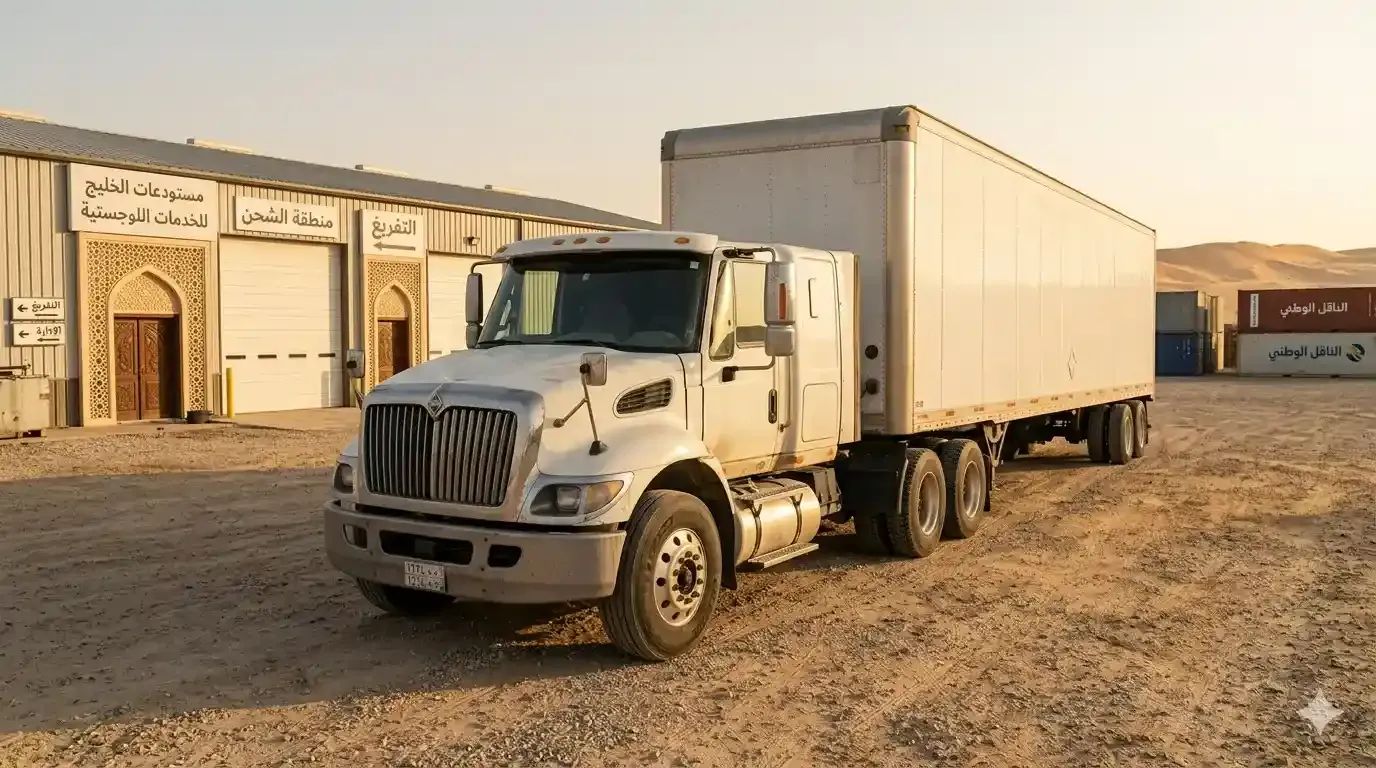
After getting the tracking device .. where exactly should you install it?
Placement is important from the start. For fleet managers running trucks across long routes, especially in demanding environments like Saudi Arabia's desert highways, the wrong location can mean lost signals, corrupted data, and alerts that fire hours too late.
This guide breaks down exactly the best place to put a tracker on a truck, what kills GPS signals on trucks, and how professional deployment stacks up against DIY installation.
Why tracker placement matters more than you think
Let's start with the real question: what's the cost of bad placement?
You might focus on GPS specs like accuracy and update speed, but the signal quality really depends on where the device is placed.
The best place to put a tracker on a truck will feed your fleet management system with noisy, incomplete, or wrong data.
Here's what that actually looks like in practice:
- Getting gaps in trip records when the tracker loses signal in a tunnel or crowded city areas.
- Delaying alerts for driver speed, leaving a geofence, and harsh braking since it depends on steady connection
- Inaccurate mileage and fuel data, because telematics platforms calculate fuel consumption and distance based on GPS data.
- Theft recovery failure if a vehicle tracker can be found in 30 seconds
The best GPS tracking devices for vehicles are only as effective as where you install them.
The best place to put a tracker on a truck
Best external places
More visibility means stronger signals, faster location fixes, and fewer dropouts. Here are the best external locations, ranked by signal quality and ease of use:
1. Under the truck bed
For commercial vehicles with metal roofs that block signals, placing trackers under the frame is a good option. Even magnetic devices can still get a usable satellite signal there.
- Best for: Magnetic GPS trackers
- Watch out for: moisture, use a waterproof tracker rated IP67 or higher.
2. Behind the Front Bumper
The front bumper area is a popular spot for the best place to put a magnetic tracker on a truck application because it's easy to reach, quick to install, and out of driver's sight.
- Best for: Magnetic battery-powered trackers for temporary monitoring.
- Watch out for: Heat from the engine bay. Position away from exhaust components and brake lines.
3. Rear Bumper
It’s often ignored, so it’s good for hiding a tracker, and it usually has a flat metal surface for magnets to stick to.
- Best for: Trailer tracking and asset monitoring
- Watch out for: driving and vibrations

Best internal places
The best place to put a tracker on a truck for inside installation, avoid metal enclosures like steel cab walls or roofs since they block GPS signals (1.2–1.6 GHz).
1. Behind the dashboard, wired to the fuse box
This is the most common and practical spot for hardwired fleet trackers. It connects to the OBD/CAN port for vehicle data, and the dashboard plastic allows GPS signals through.
For a device like the FMC920 tracker, a technician connects it to a constant 12V/24V power line from the fuse box, adds an ignition wire, and links the CAN bus cable to the diagnostic port.
- Best for: Any device that needs constant power, ignition detection, and CAN bus integration
- Watch out for: Thick metallic dashboard insulation on some heavy trucks
2. Under the rear deck
The fabric or plastic panel lining the interior roof is excellent for signal while keeping the device completely hidden.
- Watch out for: Access difficulty
3. Behind the Headliner
It is where professional fleet technicians go when they need maximum GPS signal with full covering.
- Best for: vehicles with existing OEM telematics using the OBD port.
- Watch out for: Airbag curtain routing
4. Beneath the Driver's Seat
Under the driver’s seat is a good middle option. It’s hidden but still easy to access for maintenance, and signals can still pass through the surrounding materials.
- Best for: Battery-powered trackers that need recharging from time to time

What actually affects GPS signal on trucks?
- Metal Shielding
Steel is the enemy of GPS. That’s why placing underneath the vehicle often works better than inside a metal box, since signals can still reach the device from below the truck.
- Engine Heat
GPS devices can only handle certain heat levels, usually up to about 85°C. If you place them near hot engine parts they can overheat and wear out much faster.
- Vibration
Trucks vibrate. If the tracker is fixed on thin sheet metal, vibrations travel into the device and can cause it to fail over time.
Where to consider before installing trackers for fleets in Saudi Arabia
Saudi Arabia and the broader GCC region introduces challenges needed to consider when decide what is the best place to put a tracker on a truck.
High temperatures
Summer temperatures in Riyadh, Dammam, and Jeddah regularly hit 45–50°C. That puts any internal devices near its heat limit before the engine even starts.
So, choose trackers that can handle extreme temperatures (about -40°C to +85°C or more) and place the tracker under the vehicle so it can stay cooler than inside.
Dusty desert environments
Sand and fine dust can get into any part of a vehicle. Choose a car tracker with IP67 waterproof to guarantee working during desert haboobs (sandstorms).
Common truck types in the region
Saudi fleets vehicles vary between heavy-duty long-haul trucks (Volvo FH, Mercedes Actros, MAN TGX), pickup trucks (Toyota Hilux, Ford F-150) for field operations and refrigerated reefer trailers for food logistics. Each vehicle type has different optimal placement.
Professional Fleet Deployment vs. DIY Installation
For a single vehicle, a plug-in OBD tracker is a good DIY project. For a fleet of 20 trucks or more, DIY installation creates problems that compound over time.
What DIY Installation Looks Like in Practice
If you are a driver or logistics coordinator, you install 30 trackers across the fleet, some go in the OBD port and a few get stuck with a magnet.
What Professional Fleet Deployment Actually Delivers
Every truck gets the same hardware, in the same position, with the same cable management and power routing. The benefits are:
- Consistent data quality
- Faster troubleshooting
- Tamper resistance
- Warranty compliance
- No vehicle downtime surprises
Common installation mistakes fleet managers should avoid
These aren't just "installation errors." People think they are the best place to put a tracker on a truck, but each one has a downstream cost for data quality, vehicle availability, and fleet visibility.
- installing all trackers in the OBD port by default: the OBD port is convenient but it's also the most predictable location. Drivers know about it.
- Ignoring vehicle-specific metal structure: a placement that works perfectly on a Toyota Hilux might get zero signal in Volvo FH cab. Before standardizing a placement across your fleet, test signal quality with the specific vehicle models you operate.
- Using magnetic trackers on non-metal surfaces: a tracker that falls off at highway speed is a lost device, use adhesive mounts or bracket systems on any non-metal surface.
- Installing Near High-Heat Sources: this one is specific to hot-climate operations where placing a car tracker near the engine shortens its lifespan.
Not Sure Which Tracker Fits Your Fleet? Our team deploys GPS fleet solutions across Saudi Arabia with Wasl integration. from hardware selection to professional installation across your entire fleet.
Check our GPS tracker for car and get a price quote today!
Mustafa Omer
Technical Support & IoT Operations Specialist
Technical Support and IoT Operations Specialist with over 7 years of experience in the telematics and fleet management industry. specializes in the integration of GPS/GPRS tracking, field engineering, and high-level IoT maintenance. With a deep background in supporting large-scale municipal and enterprise projects across Saudi Arabia.