How to manage a fleet of trucks with Fleetoo
Streamline your Truck Fleet Management
Fleet Management
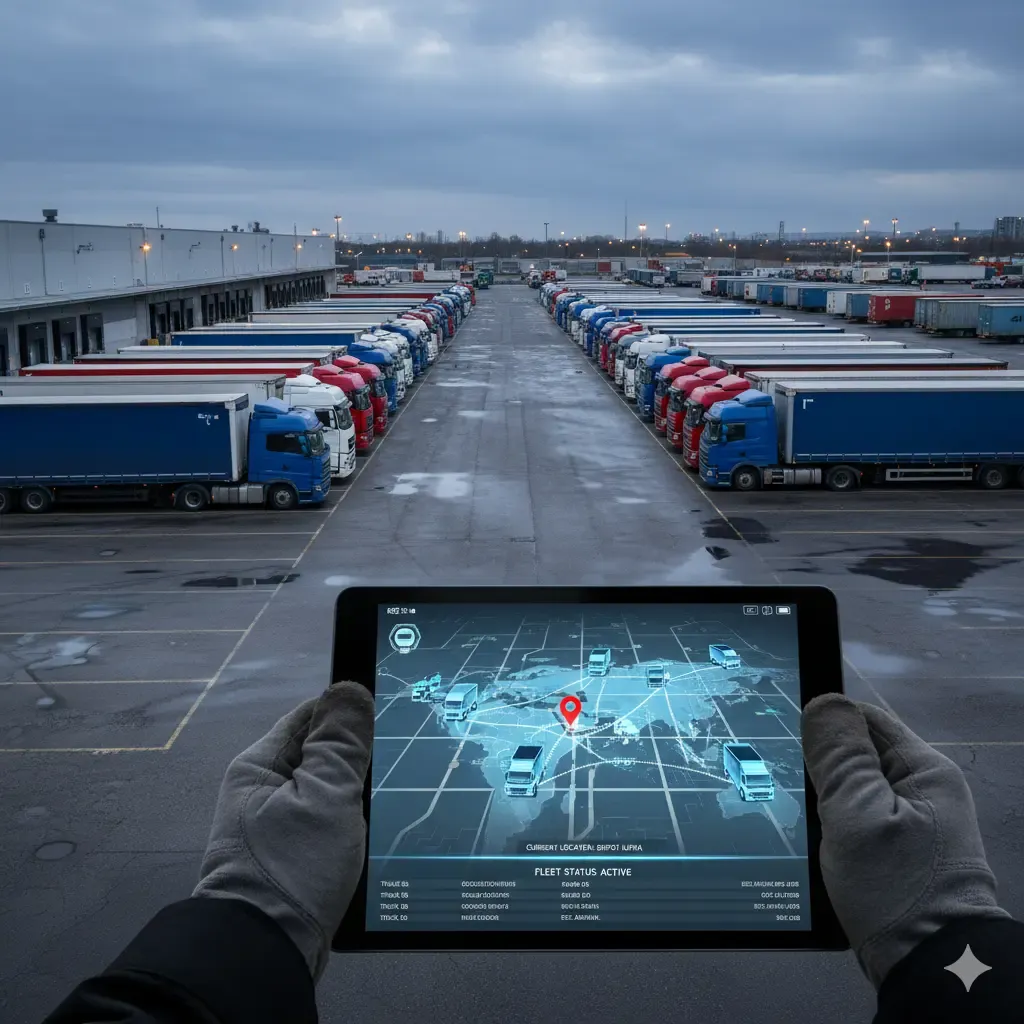
You already know the pressure of fuel costs, unexpected breakdowns, and constant demand for faster delivery when working with fleet management for trucks. Many fleets still rely on manual tracking or outdated systems, which quietly waste their time and money.
In this guide, you’ll understand the basics of managing a fleet of trucks, and how a fleet management system like Fleetoo and AI in fleet management can help you run a more efficient operation.
Basics of Fleet Management for Trucks
At its core, fleet management for trucks, especially heavy-duty trucks, is about handling high-load transportation, prolonged operations, and demanding working conditions. Unlike light vehicles, trucks carry heavy cargo over long distances, which means higher fuel consumption, more complex maintenance needs, and stricter compliance requirements.
Managing a truck fleet requires close monitoring of load capacity, trip cycles, driver fatigue, and vehicle stress under continuous operation. To manage all this effectively, you need clear performance metrics such as fuel consumption rate, vehicle downtime, on-time delivery rate, and driver behavior score, etc.
A strong fleet management KPI dashboard helps you track everything in one place. More importantly, these KPIs allow you to shift from reactive management to proactive decision-making.
Meanwhile, defining clear fleet management goals from the start, whether related to fuel reduction, delivery efficiency, or minimizing downtime, ensures that every decision you make is aligned with measurable outcomes.
How to Manage a Fleet of Trucks with Fleetoo
There are 5 essential strategies to manage your fleet of trucks effectively with Fleetoo, including:
Build a preventive maintenance approach
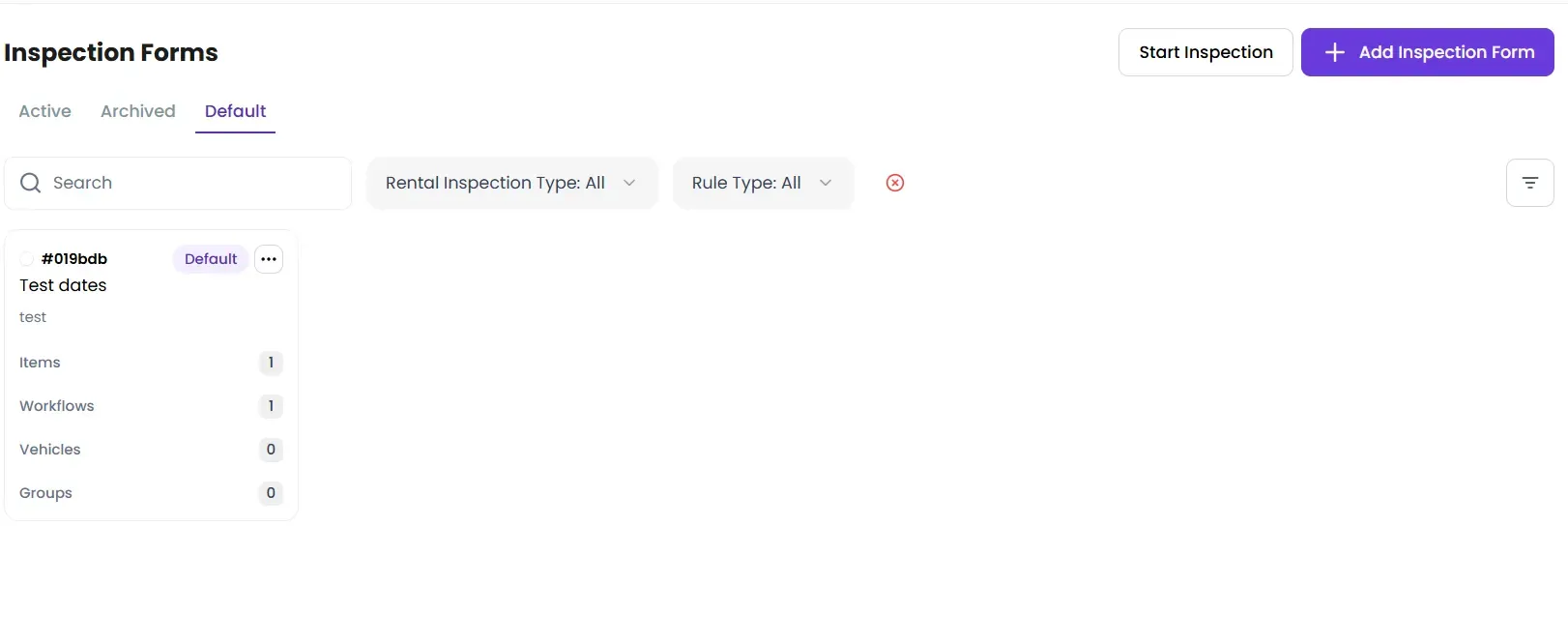
Good fleet maintenance management doesn't wait for unexpected breakdowns. instead, you can use a preventive maintenance checklist to schedule regular inspections and catch issues early. You can customize your own inspection form or use standard templates already available in Fleetoo.
Use Geofencing for Better Operational Control
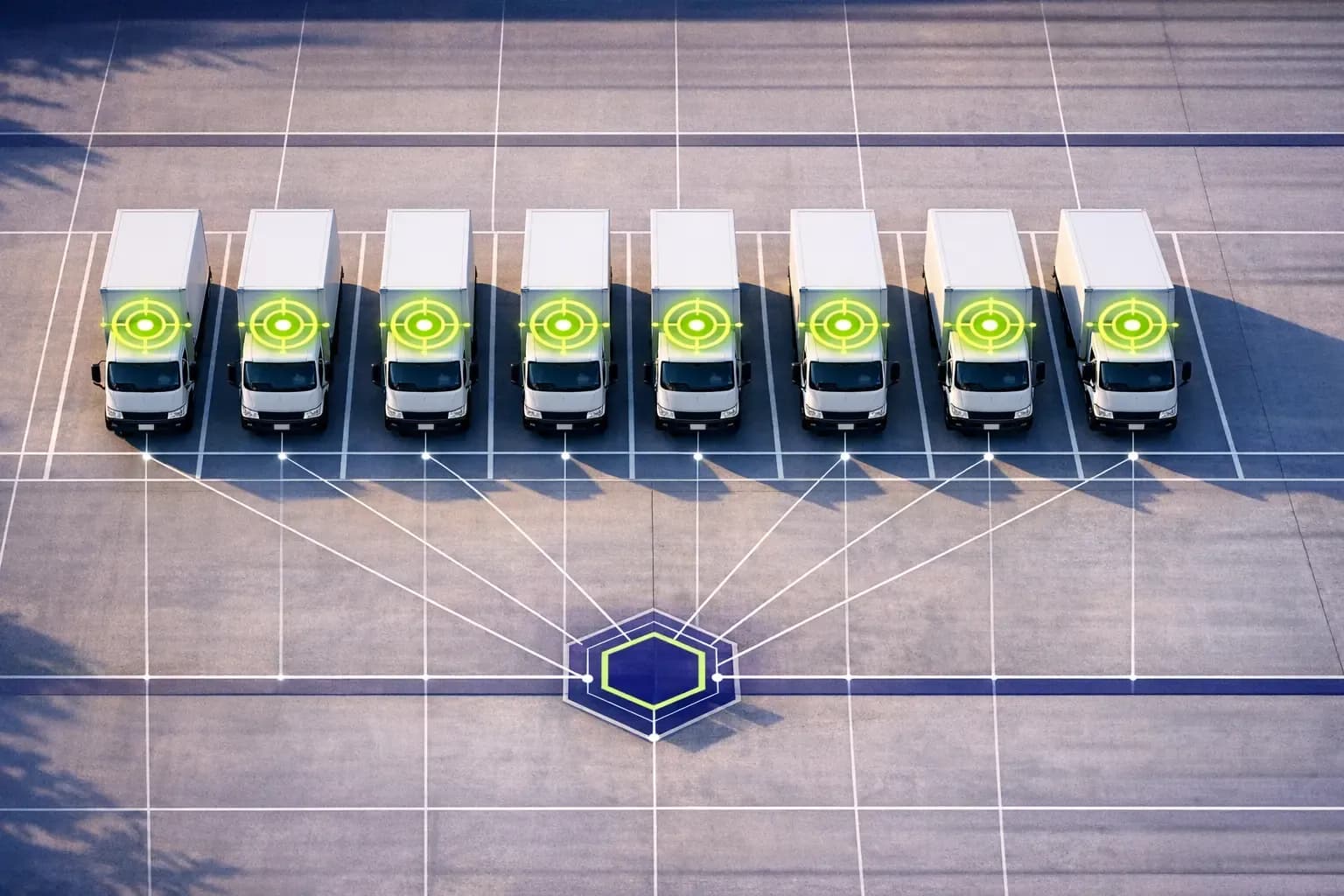
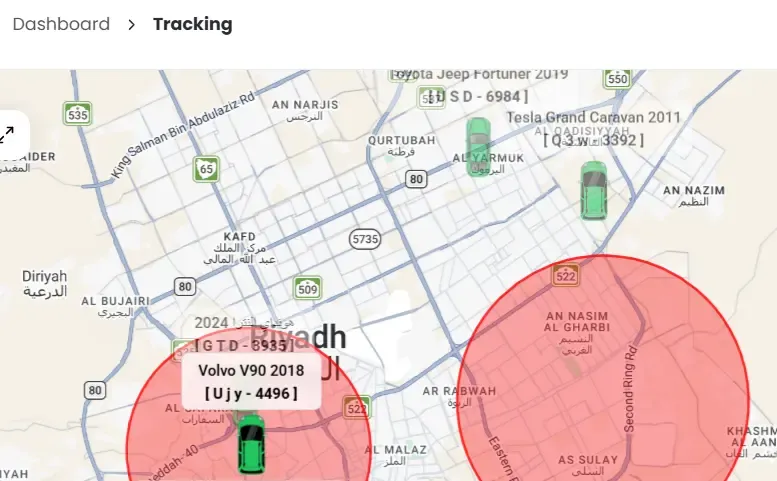
Instead of just GPS tracking, Fleetoo allows you to set geofences around specific routes, delivery zones, or restricted areas. You get instant alerts if a truck deviates from its assigned route or operates out of zone. This gives you stronger control over long-haul trips and ensures better compliance with planned operations.
Monitor truck driver behavior
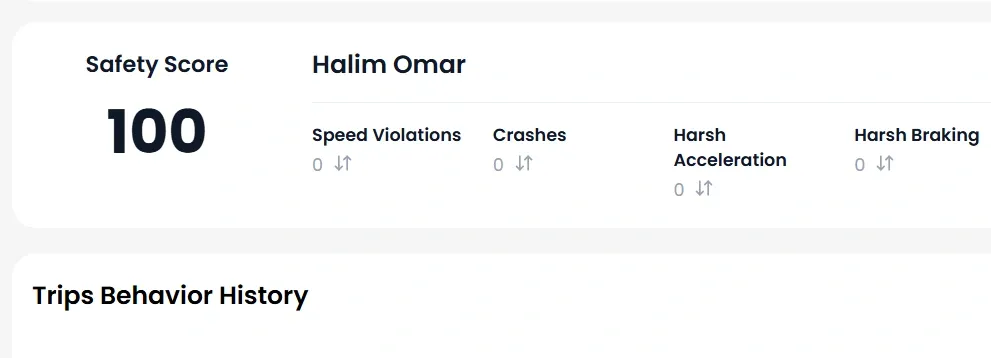
Without a doubt, driver actions directly impact fuel consumption and safety, especially in heavy trucks. One of the most critical behaviors to monitor is harsh braking under heavy load, which increases accident risk and accelerates brake wear. Fleetoo tracks these behaviors in real time, helping you coach drivers and reduce risks that are specific to truck operations.
Review the fuel consumption rate
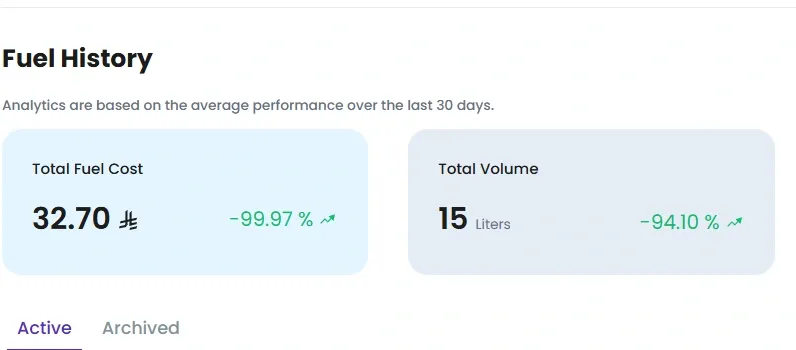
Instead of just tracking fuel usage generally, Fleetoo allows you to review fuel consumption for every trip in a stored, traceable log. This fuel management system gives you full visibility into how fuel is used across routes, drivers, and vehicle types, helping you detect inefficiencies and eliminate unnecessary costs with accurate historical data.
Centralize operations with a KPI dashboard
With a professional fleet management KPI dashboard, like in Fleetoo, you can monitor performance, track issues, and generate reports without distracting yourself with many spreadsheets. Fortunately, with Fleetoo, you have everything in one place.
Challenges of Truck Fleet Management
Fleet Management Systems (FMS) tackle many operational hurdles in logistics and transportation.
Here is how a fleet management system like Fleetoo can tackle lots of fleet management challenges:
Cost Control
High fuel, maintenance, and insurance expenses strain budgets, but FMS tracks usage in real-time and flags inefficiencies like idling or empty runs. Route optimization mileage by up to 10%, directly lowering fuel costs.
Maintenance Issues
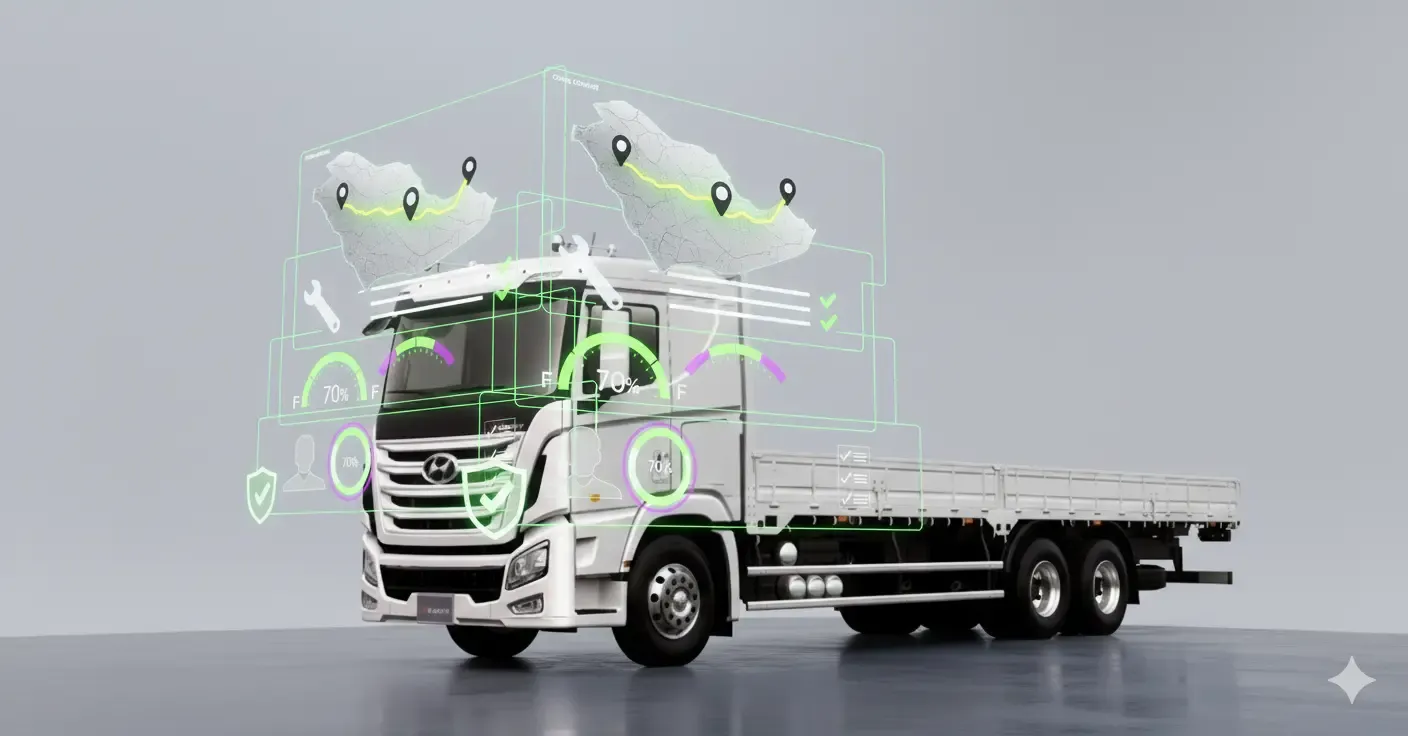
Reactive repairs cause downtime and surprise expenses; however, Fleetoo leverages a built-in preventive maintenance checklist, which schedules inspections, tracks vehicle health through IoT sensors, and sends alerts directly to your phone.
Driver Safety
Risky behaviors like speeding raise accident risks and premiums; telematics monitors habits and supports training programs with real-time alerts. Incentives for safe driving further improve compliance.
Communication barriers
Another hidden challenge is the lack of communication between drivers and managers. Without real-time updates, delays and misunderstandings become common. However, a connected system like Fleetoo bridges this gap by enabling instant communication and live updates, improving coordination across the entire fleet.
Scattered Data Overload
Managing vast data from vehicles and sensors manually leads to errors; a powerful fleet management KPI dashboard brings together driver performance, vehicle data, and operational insights, giving you full control over your fleet, all in one place.
Compliance and Tracking
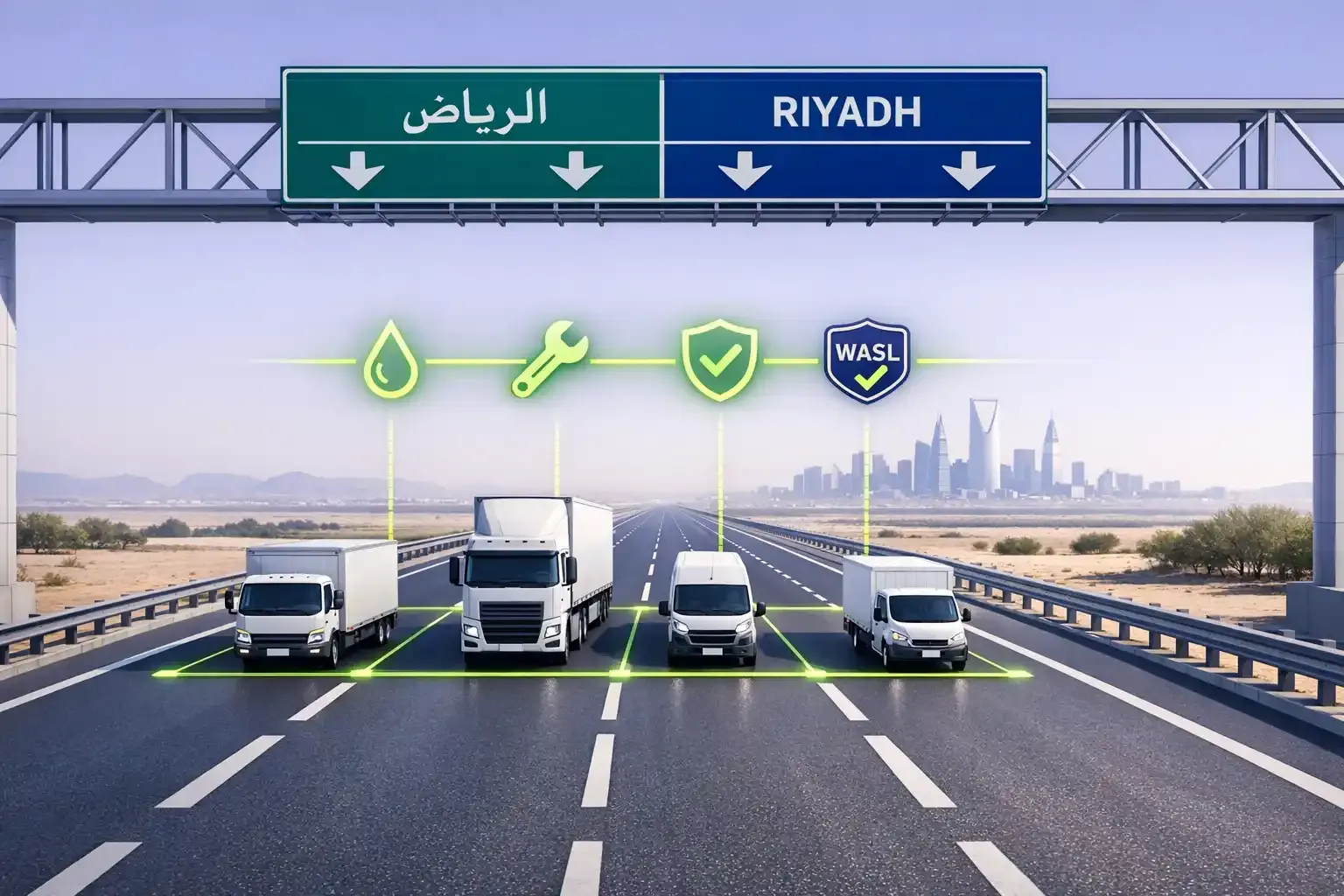
A competitive market like Saudi Arabia has constantly developed regulations on hours, emissions, and safety. Fleetoo made compliance easy by partnering with Transport Authority systems, ZATCA, and TAMM.
AI in fleet management
People still avoid using AI smartly in their work to improve their efficiency and meet market demands. With AI in fleet management by Fleetoo, we help you make smarter decisions automatically by optimizing routes, predicting maintenance needs, and improving fuel efficiency without manual effort.
What is the Best Fleet Management System in Saudi Arabia?
Over 8,600 vehicles across Saudi Arabia are using Fleetoo to eliminate operating costs by up to 30%. If you manage 10 or 5,000 vehicles, Fleetoo gives you full control without technical complexity. With ERP integration, AI-powered insights, and real-time reporting, you can confidently track breakdowns, monitor driver behavior, and manage operations from one platform.
Try Fleeto TODAY.
FAQs
What is fleet management for trucks?
Fleet management is the process of managing vehicles, drivers, fuel, and operations to improve efficiency and eliminate costs.
How can I optimize truck fleet management?
By using a vehicle tracking system, monitoring KPIs, and setting clear fleet management goals.
What does a fleet manager do?
A fleet manager oversees operations, maintenance, driver performance, and cost control.
How does AI in fleet management help?
It improves decision-making by automating route planning, predicting maintenance issues, and optimizing performance.
Fleetoo
Fleetoo Team
Fleetoo empowers fleet operators in Saudi Arabia to streamline operational management with AI-generated detailed reports on vehicle performance, going beyond GPS tracking and driver monitoring.